
What to Expect During a Professional Masonry Installation
People seeking what to expect during a professional masonry installation can rely on local contractors to handle the work efficiently and ensure quality results.
Understanding what to expect during a professional masonry installation can help property owners feel more confident about their upcoming project. Whether planning to add a new brick patio, restore a historic wall, or enhance the exterior of a property, knowing the typical process can make the experience smoother. Local contractors skilled in masonry work are equipped to handle these projects efficiently, ensuring the work aligns with the desired aesthetic and structural standards. Keep reading to discover the key stages involved and how experienced service providers can assist throughout each step.
Property owners in the area often explore this topic to better prepare for their masonry projects, whether for improving curb appeal, increasing property value, or addressing structural needs. A professional installation generally involves initial site preparation, careful material selection, and precise craftsmanship-all areas where local pros excel. By understanding what’s involved, homeowners and business owners can make informed decisions and feel assured that their project is in capable hands. Continue exploring to learn more about how local masonry service providers can help bring your vision to life.
- Brickwork repair - when existing brick structures require restoration or reinforcement, local contractors assess the condition and carefully restore or rebuild to match the original design.
- Stone veneer installation - for homeowners seeking to enhance aesthetic appeal, service providers prepare surfaces and skillfully apply veneer to achieve a natural stone look.
- Fireplace construction - during the installation of new fireplaces or surrounds, local pros ensure proper foundation and durable masonry work for safety and longevity.
- Retaining wall building - when managing soil erosion or creating level spaces, local contractors design and construct sturdy retaining walls tailored to site conditions.
- Patio and walkway paving - for outdoor living improvements, service providers lay durable masonry surfaces with attention to pattern, alignment, and finish details.

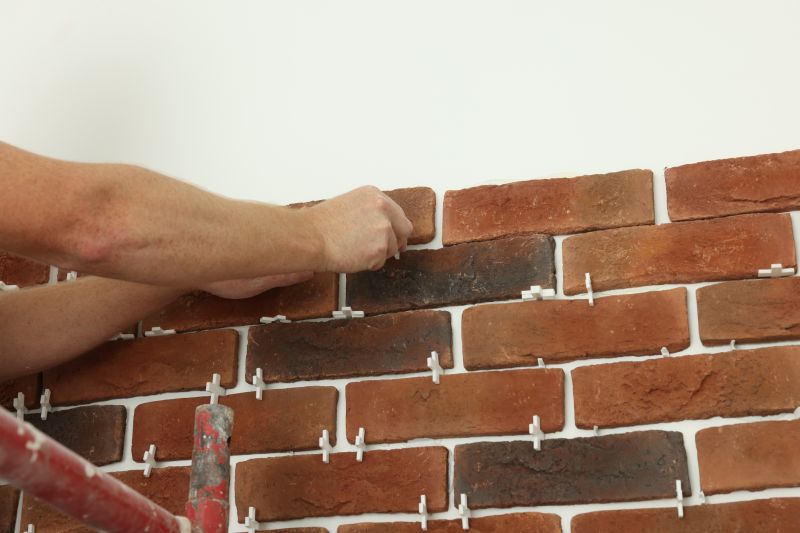
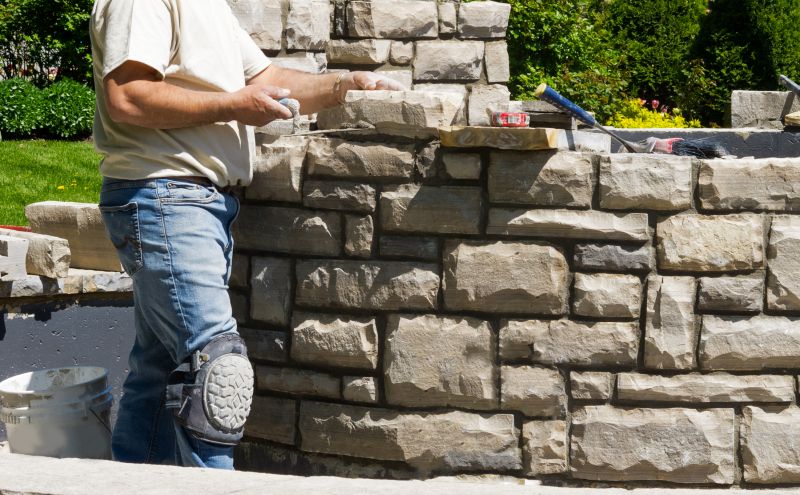
When searching for information about what to expect during a professional masonry installation, homeowners are often looking to understand the overall process involved in installing features such as brick walls, stone facades, or concrete structures. They want to know how the work will proceed, what steps are involved, and how long the project might take. This knowledge helps them prepare for the installation, anticipate potential disruptions, and ensure that the finished work aligns with their expectations. Understanding the typical stages of masonry installation also allows homeowners to better communicate with local service providers and ask informed questions about the project.
Masonry installation is commonly associated with projects that enhance the functionality and aesthetic appeal of a property. These can include building or repairing patios, walkways, retaining walls, fireplaces, or decorative facades. Homeowners often plan masonry work to improve outdoor living spaces, address structural needs, or increase property value. The process involves careful planning, material selection, and precise craftsmanship to ensure durability and visual appeal. Recognizing the scope of these projects helps homeowners determine the right type of local pros to handle their specific needs, whether it’s a large retaining wall or a decorative brick feature.
The types of properties that typically involve masonry installation are diverse, ranging from single-family homes to multi-unit buildings and commercial properties. Residential properties often feature masonry elements like driveways, chimneys, or garden walls. Commercial properties may require larger-scale masonry work such as building facades or retaining structures to support landscaping and infrastructure. The location and style of the property influence the choice of materials and design, making it important for homeowners to work with local contractors who understand the specific requirements of their property type. This ensures that the masonry installation complements the property’s architecture and functions as intended.
During a professional masonry installation, homeowners can generally expect a process that begins with an initial consultation and assessment of the site. The local pros will prepare the area, which may include excavation, leveling, or setting a foundation. Once groundwork is complete, the masonry work itself involves laying bricks, stones, or concrete blocks with attention to alignment and stability. Throughout the project, the work site is maintained to ensure safety and cleanliness, and the pros will communicate about progress and any adjustments needed. After installation, there may be some finishing touches or cleanup, leaving the property ready for use. This structured approach ensures the project results in a durable, visually appealing feature that enhances the property’s value and functionality.
Bricklaying Projects - Bricklaying skills are essential for constructing walls, facades, and other structures, making them closely related to masonry installation processes.
Stonework Restoration - Restoring historic or damaged stone structures requires similar planning, tools, and techniques used in professional masonry installations.
Fireplace and Chimney Construction - Building fireplaces and chimneys involves precise masonry work, emphasizing proper material handling and structural integrity.
Paving and Walkway Installation - Installing pavers and walkways shares foundational skills with masonry, including surface preparation and material placement.
Retaining Wall Projects - Erecting retaining walls involves similar planning and skill in managing load-bearing structures with masonry materials.
Facade Cladding Services - Applying stone or brick veneer to building exteriors requires expertise in masonry techniques and surface preparation.
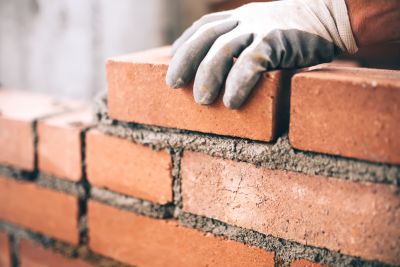
When evaluating masonry installation services, it is important to consider a contractor’s experience with similar projects. Homeowners should inquire about the types of masonry work a local contractor has completed and whether they have a track record of handling projects comparable in scope and complexity. An experienced professional will be familiar with the specific challenges that can arise during installation and will be better equipped to deliver results that meet expectations. Additionally, seeking reputable references or reviews from previous clients can provide insight into the contractor’s reliability, craftsmanship, and ability to manage projects efficiently.
Clear, written expectations are essential for ensuring that both the homeowner and the service provider are aligned on the scope of work. When comparing local contractors, it’s helpful to request detailed proposals that outline the work to be performed, materials to be used, and the projected timeline. This documentation serves as a reference point throughout the project and helps prevent misunderstandings. A professional contractor will be transparent about the process and willing to provide detailed explanations, making it easier for homeowners to understand what to expect during a professional masonry installation.
Effective communication is a key factor in a successful project. Homeowners should look for service providers who are responsive, approachable, and willing to answer questions throughout the process. Good communication helps ensure that any concerns or changes can be addressed promptly, reducing the likelihood of surprises or misaligned expectations. When comparing local contractors, paying attention to how they communicate-whether through timely responses or clear explanations-can be a strong indicator of their professionalism and commitment to customer satisfaction during what to expect during a professional masonry installation.
Property owners often search for what to expect during a professional masonry installation when they are planning practical projects around their homes and businesses. Local pros provide Masonry Installation services for everyday jobs and straightforward project options.
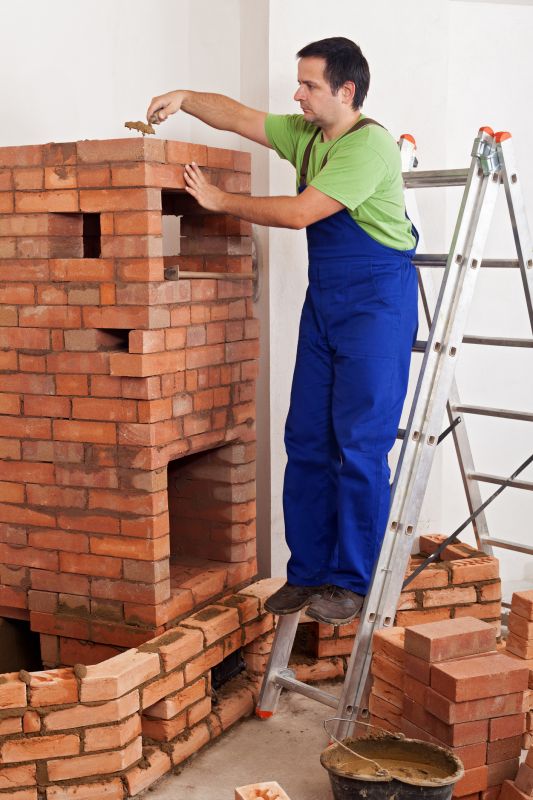
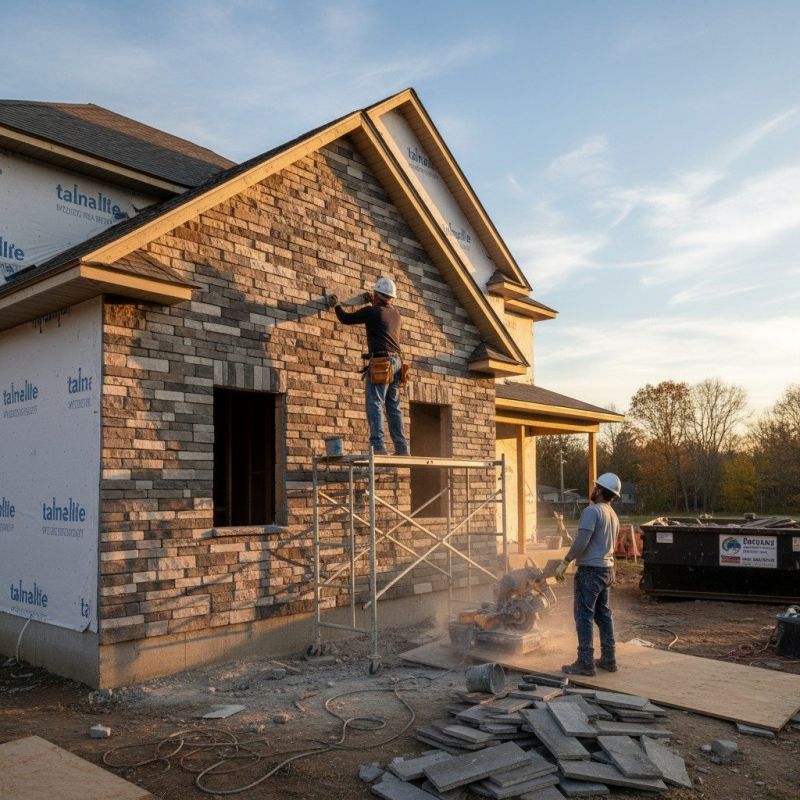
During a professional masonry installation, property owners can generally expect a straightforward process that begins with a consultation to determine the desired design and scope of the project. Local contractors typically prepare the work area, which may involve clearing space or making adjustments to existing structures. Throughout the installation, the focus is on precise craftsmanship, ensuring that materials like brick, stone, or concrete are properly aligned and secured. This stage often involves multiple visits, especially for larger projects, and may include the use of specialized tools to achieve a durable and visually appealing result.
Homeowners in the area often turn to local service providers to handle masonry installation because of their familiarity with regional building conditions and materials. During the project, property owners might observe the use of mortar mixing, setting, and curing processes, which are essential for a lasting finish. It’s common for contractors to clean up the site after each phase to maintain safety and order. Overall, a professional masonry installation aims to enhance the property’s appearance and functionality, with experienced local contractors guiding the process to meet the property owner’s expectations.
What should I expect during a professional masonry installation? During a masonry installation, local contractors typically prepare the site, ensure proper measurements, and carefully lay each brick, stone, or block to achieve a durable and visually appealing result.
How do professionals handle the preparation process? Local pros usually clear the area, set up necessary equipment, and prepare the foundation or surface to ensure stability and proper adhesion for the masonry work.
What kind of work is involved once the masonry installation begins? The process involves laying and aligning materials, applying mortar or adhesive, and making adjustments to ensure the structure is level and secure throughout the installation.
Will there be any finishing or cleanup after the installation? Yes, local contractors typically clean the work area, remove excess mortar or debris, and may perform finishing touches to enhance the appearance and longevity of the masonry.
What are the typical steps during a professional masonry installation? The steps include site preparation, material placement, securing the structure with mortar, and final inspections to ensure quality and stability of the finished work.
Site preparation - Property owners can expect local contractors to clear and level the area, ensuring a stable foundation for the masonry work.
Material selection - Choosing the right bricks, stones, or blocks with help from local pros can match the project’s aesthetic and durability needs.
Installation process - During the work, property owners might observe careful layering and mortar application by experienced masons to ensure quality results.
Final touches - Finishing details like cleaning excess mortar or sealing surfaces are common steps that local service providers handle to complete the project.
If you are thinking about what to expect during a professional masonry installation for a property, this guide is meant to help you understand this topic, the typical project types, and how different options might fit your plans.
When you are ready, you can use the quote form on this page to share a few details about your project. From there, local pros can review the basics and follow up with options that match what you have in mind.